


Things to remember
1. You are here because Christ died for your sins and instituted this sacrament so that the merits of His death and resurrection may be applied to your wounded soul. This is a beautiful sign of God’s love and should move you to gratitude.
2. When you come to confession, you must decide to turn away from sin. Even if you fear future weakness, you must here and now choose to abandon sin. With this sincere intention, you may confidently hope for God’s pardon.
3. God does not pardon those who firmly refuse to leave sin. His mercy is given to those who, even weakly, choose to repent and turn back to Him.
4. God never refuses mercy to anyone, because He is love itself. But a sinner can refuse mercy through obstinacy and insincerity. God always offers mercy; we remain free to reject it.
5. This is not a place for distraction, casual conversation, or phone use. Be recollected and present before the cross of Christ, who waits to forgive you.
6. Never allow the enemy to frighten you or convince you that your sins are too great for God. This is a lie. God is greater than every sin you have committed or could commit. After a good confession, reject useless fear and anxiety. Ignore the enemy—he seeks attention. Do what you are meant to do, and leave the rest in God’s merciful hands. Sincerity in confession is the surest way to silence his accusations.
7. If you forget a mortal sin during confession and later remember it, do not be troubled. Confess it at your next confession. What invalidates a confession is deliberately hiding a mortal sin or its number. This is a serious sin.
8. Remember what makes a sin mortal: grave matter, full knowledge, and deliberate consent. If any of these is missing, the sin is not mortal. Guard against scrupulosity, which sees mortal sin where there is none and can cripple the soul. Also guard against laxity, which ignores mortal sin and approaches Holy Communion unworthily. The safe path is to follow what Christ teaches through His Church.
9. Lastly, remember what is required for a good and valid confession on your part: a) contrition—sincere sorrow for sin and the desire to turn away from it; b) confession—honestly telling your sins to the priest; c) satisfaction—doing the penance given and making restitution where necessary.
The priest, acting in the person of Christ, then grants absolution in the name of the Father, and of the Son, and of the Holy Spirit.
Directions
1. Begin with a short prayer to the Holy Spirit, such as:
“Come, O Holy Spirit, enlighten my heart that I may clearly see my sins. Help me to repent sincerely and grant me the grace to turn away from sin and return fully to You.”
2. Make an examination of conscience using the commandments as your guide. (See below)
3. When you come before the priest, say:
“Bless me, Father, for I have sinned. It has been ___ (state the time) since my last confession.” If you are unsure, give an honest estimate.
4. Confess your sins clearly and simply. State mortal sins by kind and number as best you can. Do not tell unnecessary stories. If you are unsure of the number, give an honest estimate. Venial sins do not require numbering. If the priest asks for clarification, respond simply.
5. Listen attentively to the priest’s counsel and receive your penance. Then say the Act of Contrition. (see below)
6. Receive absolution with faith, making the Sign of the Cross.
7. Return to your place and complete your penance as soon as possible.
8. Afterward, offer a brief prayer of thanksgiving, remembering the great price by which this forgiveness was obtained. (see prayer below)
9. Go home in peace, rejoicing with the joy of the angels.
Prayers
Act of Contrition
O my God, because you are so good, I am very sorry that I have sinned against you; and I promise that with the help of your grace, I will not sin again. Amen.
Thanksgiving after confession:
My dearest Jesus, I have told all my sins to the best of my ability. I have sincerely tried to make a good confession and I know that you have forgiven me. Thank you dear Jesus! Your divine heart is full of love and mercy for poor sinners. I love You dear Jesus; you are so good to me. My loving Saviour, I shall try to keep from sin and to love You more each day. Dearest Mother Mary, pray for me and help me to keep all my promises. Protect me and do not let me fall back into sin. Dear God, help me to lead a good life. Without Your grace I can do nothing.
Another prayer before confession
Receive my confession, O most loving and gracious Lord Jesus Christ, only hope for the salvation of my soul. Grant to me true contrition of soul, so that day and night I may by penance make satisfaction for my many sins. Savior of the world, O good Jesus, Who gave Yourself to the death of the Cross to save sinners, look upon me, most wretched of all sinners; have pity on me, and give me the light to know my sins, true sorrow for them, and a firm purpose of never committing them again.
O gracious Virgin Mary, Immaculate Mother of Jesus, I implore you to obtain for me by your powerful intercession these graces from your Divine Son.
St. Joseph, pray for me.
Examination of Conscience
The Ten Commandments
First Commandment: I am the LORD your God. You shall worship the Lord your God and Him only shall you serve.
Have I failed to love, trust, and put God first in my life, choosing money, pleasure, power, or people over Him? Have I rejected, doubted, or neglected the truths of the Catholic faith through ignorance, carelessness, or pride, or misled others by my words or example? Have I knowingly distanced myself from the Church by rejecting her teachings or authority, or by turning to other religious groups, superstitions, charms, fortune-telling, or occult practices instead of trusting God alone? Have I allowed fear, pressure, or desire to guide my decisions more than God’s will, fallen into despair of His mercy, or presumed upon it without true repentance? Have I been dishonest with God by hiding serious sin or lacking sincerity in Confession?
Second Commandment: You shall not take the name of the Lord your God in vain.
Have I shown irreverence toward God by misusing His name in speech, jokes, anger, or blasphemy, or by breaking promises, vows, or commitments I knowingly made to Him? Have I spoken carelessly or disrespectfully about the Catholic faith, the Church, the saints, or sacred things, or tolerated media, music, or entertainment that treats them with contempt? Have I used my words to degrade others through vulgar, obscene, or belittling speech, or behaved without reverence in church or toward things set apart for God’s worship? Have I been dishonest under oath, twisted the truth, or blamed God for my own sins, failures, or lack of effort?
Third Commandment: Remember to keep holy the Sabbath day.
Have I failed to keep the Lord’s Day holy by missing Mass on Sundays or Holy Days without serious reason, arriving habitually late, leaving early, or treating the Mass casually? Have I neglected daily prayer or failed to give God fitting time and attention in my life? Have I shown irreverence toward the sacraments—especially the Blessed Sacrament—by carelessness, sacrilege, or by receiving them while not properly disposed? Have I placed work, business, sports, or other activities above worship on days set aside for God? Have I failed in my duty to lead my children to Mass and to form them faithfully in the Catholic faith? Have I disregarded the Church’s discipline on fasting, abstinence, or the Eucharistic fast without just cause?
Fourth Commandment: Honor your father and your mother.
Have I failed in love, respect, or obedience toward my parents by disregarding their guidance, harboring resentment, bringing them shame, or neglecting them in their time of need? Have I shown disrespect toward teachers or those placed in authority over me, or broken just laws through carelessness or defiance? As a parent or guardian, have I neglected my responsibility to provide for my children materially, morally, and spiritually—especially by failing to form them in the Catholic faith, lead them to the sacraments, teach them chastity with prudence, pray with and for them, and live as a credible example of Christian life? Have I misused my civic responsibility by knowingly supporting positions or actions that contradict the teachings of Christ and His Church? Have I neglected to pray for my deceased family members and the souls in purgatory?
Fifth Commandment: You shall not murder.
Have I sinned against the dignity of human life by violence, negligence, or indifference—through murder, abortion, euthanasia, reckless behavior, or actions that endangered my own life or the lives of others? Have I harmed others physically, emotionally, or through threats, abuse, gossip, hatred, prejudice, or unjust anger? Have I fostered division by provoking others, joining or supporting hateful attitudes or groups, or wishing evil, revenge, or suffering upon anyone? Have I failed in self-control by abusing alcohol, drugs, tobacco, or food, or by encouraging others into sin through bad example, pressure, or direct assistance? Have I refused forgiveness, delighted in another’s pain, neglected my duty of care toward others, or treated animals cruelly without just cause?
Sixth & Ninth Commandments: You shall not commit adultery & You shall not covet your neighbor’s wife.
Have I failed to live the virtue of chastity according to my state of life by giving in to lustful thoughts, desires, or actions, or by using others for sexual pleasure rather than loving them with dignity? Have I misused sexuality through fornication, adultery, pornography, masturbation, prostitution, coercion, abuse, or any sexual activity outside the marriage between one man and one woman? As a married person, have I violated the unitive and procreative meaning of the marital act by contraception, sterilization, artificial reproduction, refusal of marital duties without just cause, or by placing my own desires above my spouse’s good? Have I supported or participated in sexual practices contrary to God’s design, promoted impurity through entertainment, speech, or example, or dressed or acted in ways that deliberately led myself or others into sin?
Seventh & Tenth Commandments: You shall not steal & You shall not covet your neighbor’s goods.
Have I sinned against justice and charity by stealing, cheating, fraud, corruption, or damaging what belongs to others? Have I allowed envy, greed, wastefulness, or a spirit of excessive consumption to rule my use of money and possessions, forgetting that what I have comes from God and is meant for the good of others as well as my own needs? Have I neglected the corporal works of mercy or failed to assist those in genuine need? In my work or business, have I been dishonest—by unfair pricing, breaking contracts, failing to repay debts, exploiting another’s hardship, withholding a just wage, or giving less than honest effort for what I receive? Have I gambled recklessly, made false claims, or misused natural resources entrusted to my care?
Eighth Commandment: You shall not bear false witness against your neighbor.
Have I sinned against truth and charity by lying, deceiving others, giving false testimony, or manipulating the truth for personal gain or convenience? Have I damaged another person’s good name through gossip, detraction, slander, rash judgment, or by spreading harmful information in speech, writing, or online? Have I failed to repair the harm caused by my words, or betrayed trust by revealing what should have remained confidential? Have I remained silent out of fear or convenience when I had a duty to defend the truth, the Catholic faith, or the dignity of another person?
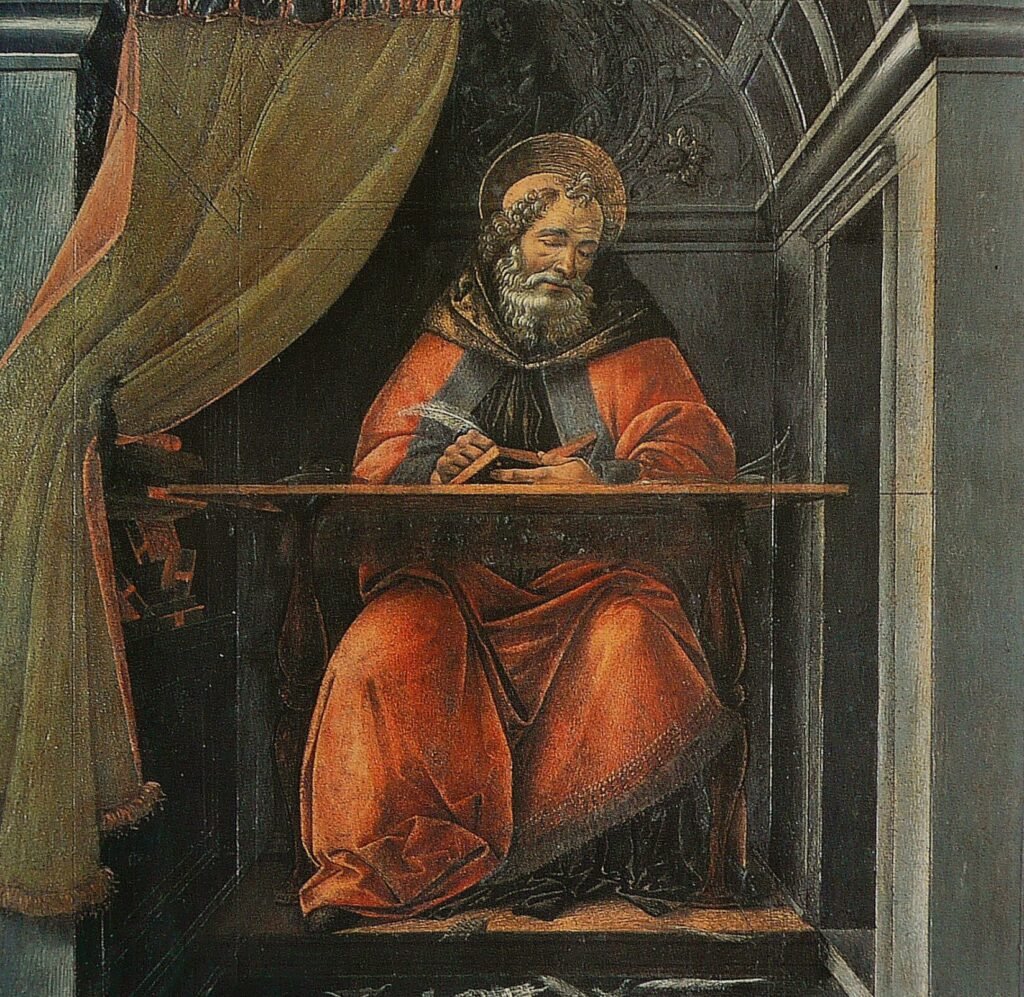
“The confession of evil works is the first beginning of good works.”
Saint Augustine of Hippo